
Introduction
India’s extraordinary geographical diversity — spanning tropical coastlines, arid plains, temperate highlands, and subtropical river valleys — creates the conditions for an astonishing range of fruits throughout the year. Eating fruits in season is not merely a trendy concept; it is how humans ate for most of our history and is backed by both traditional wisdom and modern nutritional science.
Seasonal fruits are fresher, more nutritious (they reach you closer to peak ripeness), more flavorful, significantly cheaper, and support local farmers. This guide explores India’s remarkable calendar of seasonal fruits and how to best enjoy each season’s bounty.
Summer (March to June) — The King’s Season
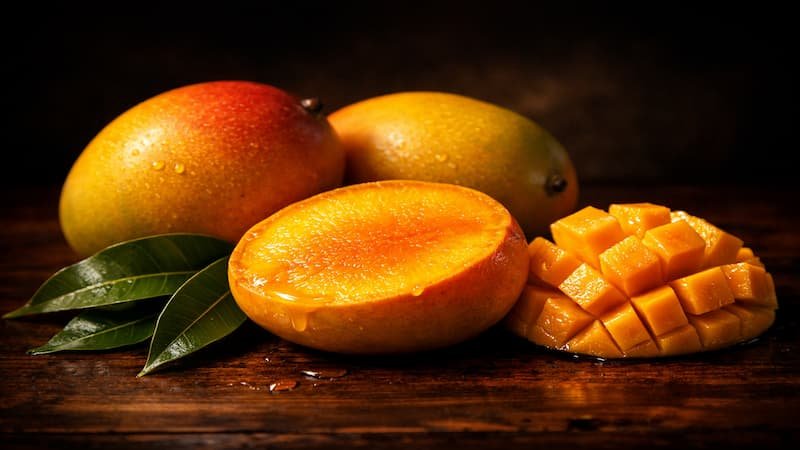
Summer in India is mango season, and this alone makes it a beloved time of year for fruit lovers. India produces over 1,500 varieties of mango, from the legendary Alphonso of Maharashtra to the aromatic Dasheri of Uttar Pradesh, the robust Langra of Bihar to the fiery Totapuri of South India.
Each variety has its own unique flavor profile, texture, and best use. Beyond mangoes, summer brings jackfruit (the world’s largest fruit), litchi with their fragrant, juicy flesh, watermelons and muskmelons for hydration in the brutal heat, jamun (Indian blackberry) rich in iron and anthocyanins, and raw mangoes used to make aam panna and pickles.
Monsoon (July to September) — The Refreshing Season
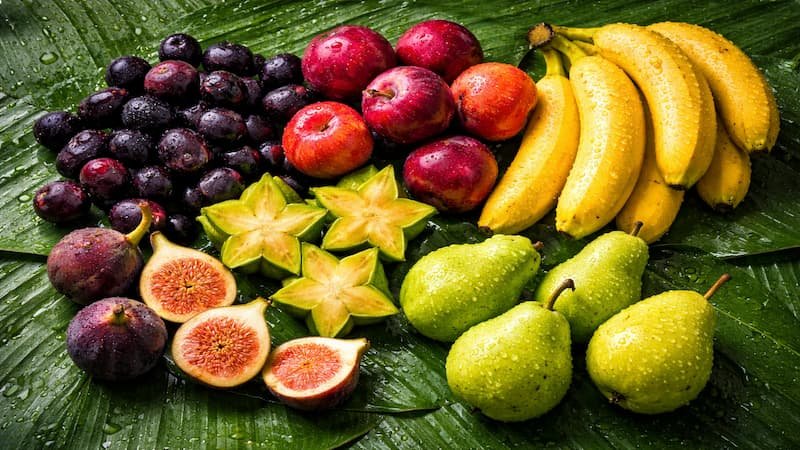
The monsoon season brings its own distinctive fruits. Plums, peaches, and pears from the Himalayan foothills come into season. Wild berries including karonda (Natal plum), jamun, and phalsa are at their best during the monsoon months. Banana availability peaks, with local varieties like Robusta, Nendran, and the small sweet Elaichi banana widely available.
Starfruit (carambola) with its distinctive shape and slightly tart flavor appears in markets. Fig season also begins in parts of India during late monsoon. The high humidity of the monsoon season makes lighter, less sweet fruits particularly appealing.
Post-Monsoon and Autumn (October to November) — The Festive Season
October and November coincide with India’s major festival season (Navratri, Dussehra, Diwali), and nature obliges with a spectacular lineup of fruits. Pomegranates, with their jewel-like arils packed with antioxidants, come into peak season. Sapodilla (chikoo) with its malt-like sweetness and extraordinary texture becomes available.
Custard apple (sitaphal) is perhaps the most eagerly awaited fruit of the autumn season — its creamy, sweet, floral flesh is unlike anything else. Guava, one of the most nutritious fruits available, reaches its best in autumn. Persimmon from Himalayan orchards appears in markets.
Winter (December to February) — The Citrus and Sweet Season
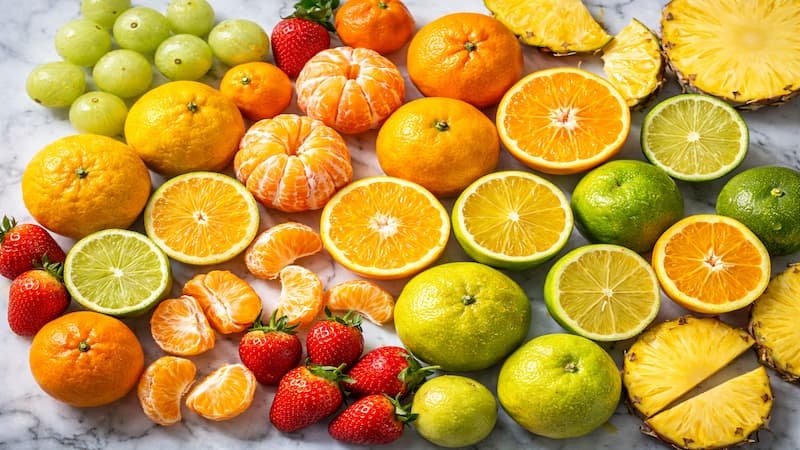
Winter in India brings extraordinary citrus fruits. Nagpur mandarin oranges (santra) are the star of the season — sweet, easy to peel, and supremely juicy, they are one of India’s most loved fruits. Kinnow, a hybrid citrus from Punjab, is intensely flavored and rich in Vitamin C. Mosambi (sweet lime) is available through winter.
Strawberries from Mahabaleshwar and other hill stations come into season from December. Amla (Indian gooseberry) is at its peak in winter and is made into pickles, murabba, and consumed fresh. Pineapple from Kerala and the Northeast is at its sweetest in winter. Dates and dried fruits are traditionally associated with winter nutrition.
Year-Round Fruits
Some fruits are available throughout the year, though their quality peaks in specific seasons. Bananas are available year-round across India and represent one of the most nutritious and affordable fruits available. Papayas are available year-round in most parts of India and are valued for their digestive enzyme papain.
Coconuts are available throughout the year, particularly in coastal regions. Lemons and limes are available year-round and are essential ingredients in Indian cooking and lemonade (nimbu pani).
Why Seasonal Eating Matters
Seasonal fruits provide several important advantages over out-of-season produce. Nutritional quality is significantly higher in freshly harvested seasonal fruits — Vitamin C, antioxidants, and other fragile nutrients degrade during long storage and transportation. Flavor is incomparably better — a Alphonso mango in May tastes nothing like a cold-stored mango in November.
Cost is substantially lower when fruits are in season and locally abundant. Environmental impact is minimized when you eat locally grown, seasonal produce rather than fruits imported from distant regions or other countries.
Traditional Wisdom and Modern Science
Ayurveda and traditional Indian food culture have long advocated for seasonal eating based on the principle that foods available in each season provide the nutrients the body needs during that time. For example, the cooling, hydrating fruits of summer (watermelon, mango, kokum) are ideal when the body is subject to heat stress.
The Vitamin C-rich citrus and amla of winter support immunity precisely when respiratory infections are most prevalent. The digestive enzymes in papaya and pineapple, available through the warmer months when digestion tends to be more active, are consistent with the Ayurvedic principle of food-body harmony.
Conclusion
India’s fruit calendar is one of the most diverse and extraordinary in the world. By aligning your eating with the seasons, you not only get the best quality and most affordable produce, but you also connect with the natural rhythms that traditional food culture has always respected.
Make it a habit to explore your local market and embrace whatever fruit is currently in peak season — you will discover flavors and pleasures that transcend what any supermarket can offer.