
Introduction
Indian cooking is an art form developed over thousands of years, and like any art form, it has rules, principles, and techniques that, when followed correctly, produce extraordinary results. However, many home cooks — even experienced ones — consistently make certain mistakes that prevent their Indian food from reaching its full potential.
These mistakes are often subtle, not immediately obvious, but they make the difference between food that is merely good and food that is genuinely exceptional. This article identifies seven of the most common and impactful mistakes in Indian cooking and provides specific guidance on how to avoid them.
Mistake 1 — Using Pre-Ground Spices Exclusively
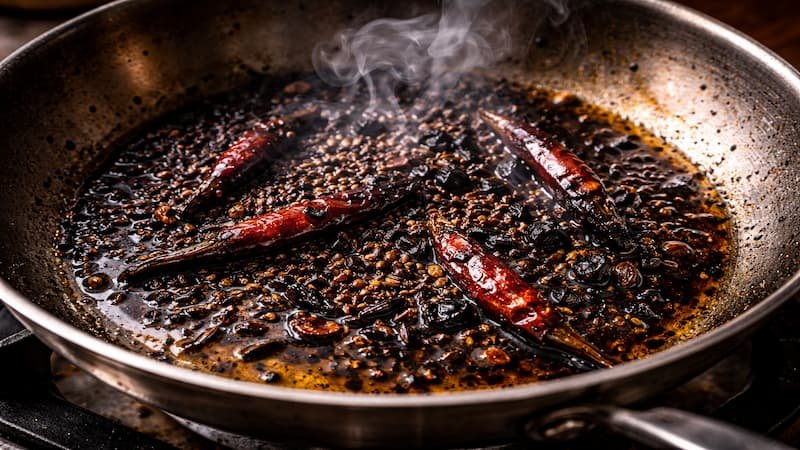
Pre-ground spices are convenient, but they are a significant compromise in flavor. Spices begin losing their aromatic volatile compounds immediately after grinding, and packaged spice powders — which may have been sitting in a warehouse and on store shelves for months — have lost a substantial proportion of their flavor potential. The difference between a curry made with freshly ground coriander and cumin versus pre-ground versions is immediately noticeable.
Invest in a small spice grinder (a coffee grinder repurposed for spices works perfectly) and buy whole spices. Toast them briefly in a dry pan before grinding to maximize flavor. Even grinding just your coriander and cumin fresh will dramatically improve your curries.
Mistake 2 — Rushing the Onion Cooking
Properly cooked onions are the foundation of most Indian gravies, and they require time. Raw or partially cooked onions in a curry create a sharp, pungent taste that overwhelms other flavors. The goal is to cook onions until they are deeply golden, sweet, and have reduced to a fraction of their original volume — a process that takes 20-25 minutes over medium heat.
Many home cooks turn up the heat to speed this process, but high heat browns onions superficially without developing the deep sweetness that comes from slow caramelization. The dark, jammy, sweet onion base produced by patient cooking is the secret behind the complexity of great Indian curries.
Mistake 3 — Not Bhunoing the Masala Properly
Bhunoing (roasting) the masala base is one of the most fundamental techniques in Indian cooking and one of the most commonly skipped. After adding tomatoes and spice powders to the cooked onions, the mixture must be cooked on medium heat, stirring frequently, until the oil separates from the masala and the tomatoes are completely cooked down. This process typically takes 10-15 minutes.
This extended cooking caramelizes the tomatoes, blooms the spices, and develops the deep, roasted flavor that characterizes authentic Indian food. Skipping this step produces a curry that tastes raw, tomato-forward, and one-dimensional.
Mistake 4 — Adding Spices at the Wrong Time
Different spices behave very differently and should be added at different stages of cooking for optimal results. Whole spices for tempering (cumin seeds, mustard seeds, curry leaves) must go into hot oil at the very beginning and be allowed to sizzle and bloom. Ground spice powders (turmeric, chili powder, coriander) should be added after the onions have softened and should be cooked in the masala.
Finishing spices (garam masala, kasuri methi) should be added in the last few minutes of cooking, as heat destroys their delicate aromatic compounds. Adding garam masala at the beginning or burning whole spices by adding them to cold oil are common timing mistakes.
Mistake 5 — Using Too Little Salt
Insufficient salt is one of the most common reasons home-cooked food tastes flat and disappointing compared to restaurant versions. Salt does not just make food salty — it suppresses bitterness, enhances sweetness, amplifies other flavors, and fundamentally changes the way our taste receptors perceive food. Many home cooks are afraid of adding adequate salt, either from health concerns or from fear of over-salting. The solution is to taste constantly throughout cooking and to season at each stage rather than only at the end.
Salt added to onions helps them release their juices and cook more evenly. Salt in pasta water flavors the pasta itself. Develop the habit of tasting and adjusting regularly.
Mistake 6 — Not Resting Meat Before Cutting
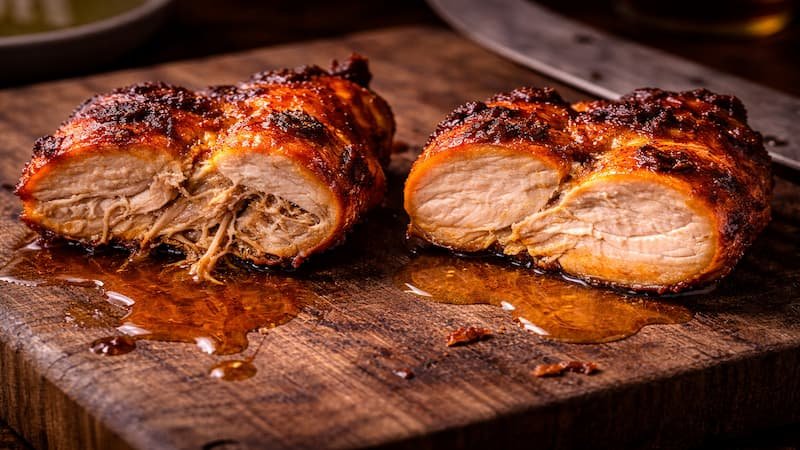
This mistake applies specifically to Indian dishes that involve grilled, roasted, or baked meats such as tandoori chicken, seekh kebab, and mutton chops. When meat is cooked, the muscle fibers contract and squeeze liquid toward the center. If you cut the meat immediately after cooking, this liquid (the juices) pours out onto the cutting board and the meat becomes dry.
Resting meat for 5-10 minutes (longer for larger pieces) allows the muscle fibers to relax and reabsorb the juices, resulting in significantly juicier, more tender meat. Simply tent the cooked meat loosely with foil and set it aside for the appropriate resting time before cutting.
Mistake 7 — Using the Wrong Oil Temperature for Frying
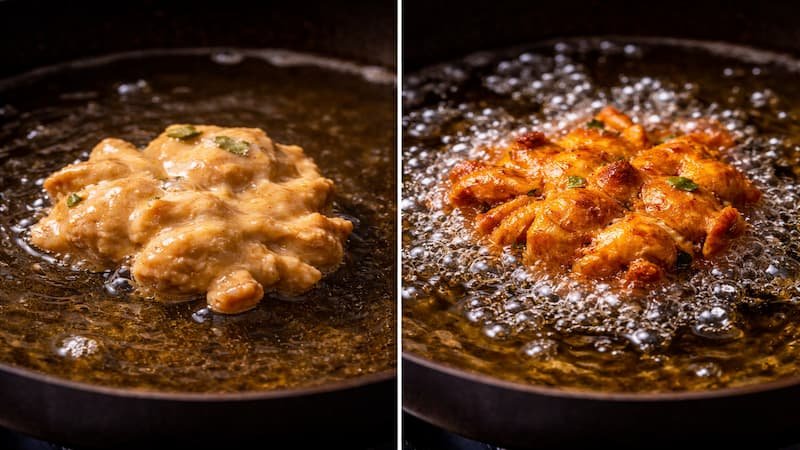
Many Indian dishes involve frying — whether it is deep frying (vadas, samosas, puri), shallow frying (cutlets, pakoras), or tempering spices. The oil temperature is critical to all these processes. Oil that is not hot enough will be absorbed into the food, making it greasy and soggy. Oil that is too hot will burn the outside before the inside is cooked.
For deep frying, oil should be between 170-180°C. Test with a small piece of the food — it should sizzle vigorously and float to the surface immediately. For tempering whole spices, the oil should be hot enough that spices sizzle immediately on contact but not so hot that they burn within seconds.
Conclusion
Correcting these seven cooking mistakes will produce a noticeable and immediate improvement in the quality of your Indian cooking. None of these corrections require expensive equipment or exotic ingredients — they simply require attention, patience, and a willingness to invest the time that great Indian cooking demands.
The fundamental lesson is that Indian food rewards patience: patience in grinding spices fresh, caramelizing onions properly, bhunoing the masala completely, and resting cooked meat. These slow processes are not obstacles to good cooking — they are the process of good cooking.