
Introduction
In India, chai is far more than a beverage — it is a cultural institution. It marks the start and end of the workday, facilitates business negotiations, cements friendships, and provides comfort in times of stress. An estimated 837,000 tonnes of tea is consumed in India every year, making it one of the world’s largest tea-consuming nations.
Yet despite its ubiquity, making truly excellent chai is a skill that takes understanding and practice. The difference between mediocre chai (weak, flat, too sweet) and exceptional chai (robust, aromatic, perfectly balanced) lies in the details. This guide explores everything you need to know to make consistently spectacular chai.
The Tea — Foundation of Great Chai
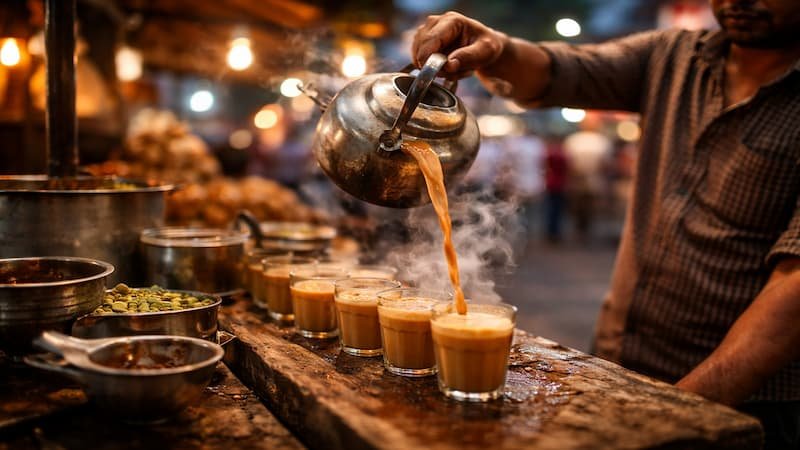
The choice of tea is fundamental to chai quality. Traditional chai is made with CTC (crush, tear, curl) black tea rather than whole-leaf teas. CTC tea is processed to produce small, uniform pellets that brew quickly and intensely, producing a strong, full-bodied brew with the right amount of tannins to stand up to milk and spices.
Assam CTC tea is widely considered the best for chai — it has a bold, malty flavor and strong tannins that create the characteristic robust body. Avoid using high-quality whole-leaf teas for chai as their delicate flavors will be overwhelmed by milk and spices.
The Spices — Building the Masala
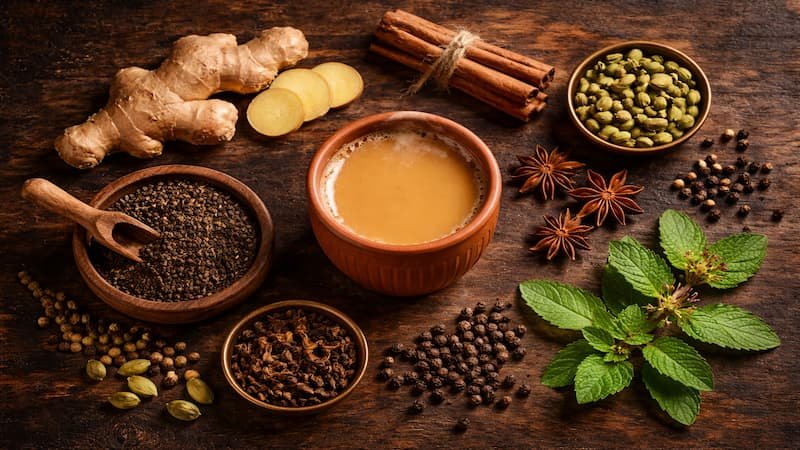
Not all chai needs to be masala chai, but spiced chai is undeniably more complex and satisfying. The two absolutely essential spices are fresh ginger and green cardamom — everything else is optional but welcome. Fresh ginger provides warmth, digestive benefits, and a lively bite that cuts through the richness of the milk.
Green cardamom contributes a floral, sweet, slightly minty complexity. Beyond these essentials, consider adding: cinnamon (warming, sweet), cloves (intense, medicinal), black pepper (sharp, warming), and fennel seeds (sweet, anise-like). The spices should be freshly crushed or bruised — this releases the essential oils far more effectively than pre-ground spice powders.
The Milk — Choosing the Right One
The quality and type of milk significantly impacts chai quality. Full-fat buffalo milk, traditional in India, produces the creamiest, richest chai with a characteristic thick layer of foam. Full-fat cow’s milk produces excellent chai as well.
Low-fat or skim milk makes weaker, thinner chai that lacks the desired richness. For those who prefer plant-based milk, oat milk produces the best chai due to its creamy texture and neutral flavor. Avoid thin plant milks like almond or rice milk as they do not create the desired body.
The Method — Brewing Technique
Begin by adding water to a small saucepan over medium heat. Add your freshly crushed spices — ginger, cardamom, and any others — and bring to a gentle boil. Let the spices simmer in the water for 2-3 minutes to extract their flavors. This spiced water will smell absolutely wonderful. Add the tea leaves or CTC granules and stir.
Let the tea brew for 1-2 minutes — do not over-brew or the chai will become bitter and astringent. Now add the milk. Bring everything back to a vigorous boil, watching carefully as milk-tea mixtures can overflow dramatically. Reduce heat and let it simmer for 3-4 minutes until the chai reaches a uniform reddish-brown color.
Sweetening and Straining
Sugar is traditionally added during brewing rather than after, which allows it to integrate with the chai rather than sitting as a separate sweetness on top. The amount of sugar is entirely personal — some prefer chai with no sugar at all to appreciate the complex flavors of the spices, while others prefer it quite sweet.
Jaggery (gur) is an excellent substitute for refined white sugar — it adds a slight caramel and molasses flavor that complements the spices beautifully. Strain the chai through a fine mesh strainer into cups, pressing the spent tea leaves and spices against the strainer to extract every last drop.
Regional Variations of Chai in India
India’s diverse geography has produced remarkable regional chai variations. Kashmiri kahwa is a green tea prepared with saffron, cinnamon, cardamom, and almonds, served without milk. Irani chai from Hyderabad involves brewing very strong tea separately from boiling condensed milk and combining them in the cup. Sulaimani chai from Kerala is a black tea with lemon and spices.
Masala chai in Gujarat is much sweeter and more heavily spiced than in other regions. Cutting chai in Mumbai is served in half-sized portions as a stronger, more concentrated brew. Each region’s chai tells a story about its local ingredients and cultural preferences.
Health Benefits of Chai
Beyond its extraordinary flavor, chai has genuine health benefits. The black tea base contains antioxidants called theaflavins and thearubigins that have been linked to improved heart health and reduced inflammation. Ginger supports digestion and reduces nausea. Cardamom has antimicrobial properties and freshens breath.
Cinnamon helps regulate blood sugar. Black pepper enhances the bioavailability of other nutrients. The milk provides calcium and protein. While chai should be consumed in moderation due to its caffeine and sugar content, moderate consumption as part of a balanced diet is beneficial.
Conclusion
Great chai is a simple pleasure that can be perfected with attention to a few key details: quality CTC tea, freshly crushed spices, full-fat milk, proper brewing time, and patience. Once you have developed your own perfect chai recipe through experimentation, it becomes an irreplaceable daily ritual that no coffee shop can replicate.
The best chai is always the one made in your own kitchen with love and the understanding of what makes this remarkable beverage tick.