
Introduction
Dal Makhani is one of the crown jewels of Punjabi cuisine and one of the most beloved lentil dishes in the world. Unlike everyday dals, which are quick weeknight staples, Dal Makhani is a weekend indulgence — a dish that rewards patience with extraordinary depth of flavor. The combination of whole black lentils and kidney beans, slow-cooked for hours in a rich tomato gravy enriched with cream and butter, creates a dish of extraordinary richness and complexity.
In top restaurants, Dal Makhani is sometimes cooked for up to 24 hours on a slow flame. This recipe gives you the authentic flavors through careful technique, even if you do not have all day.
The Importance of the Right Lentils
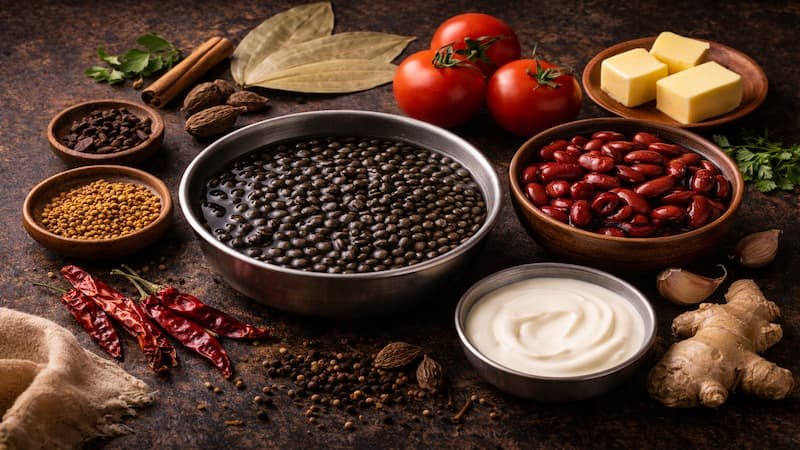
Authentic Dal Makhani uses whole black lentils (sabut urad dal or kali dal) and a small proportion of red kidney beans (rajma). The whole black lentils are crucial — using split urad or any other lentil will not give you the characteristic dense, creamy texture that defines this dish. The black skin of the urad lentil dissolves partially during the long cooking process, contributing to the dish’s signature dark color and silky body.
The kidney beans add structure and an additional layer of hearty creaminess. Soak both overnight (at least 8 hours) in plenty of water as they are very dense and require long soaking to cook properly.
Pressure Cooking the Lentils
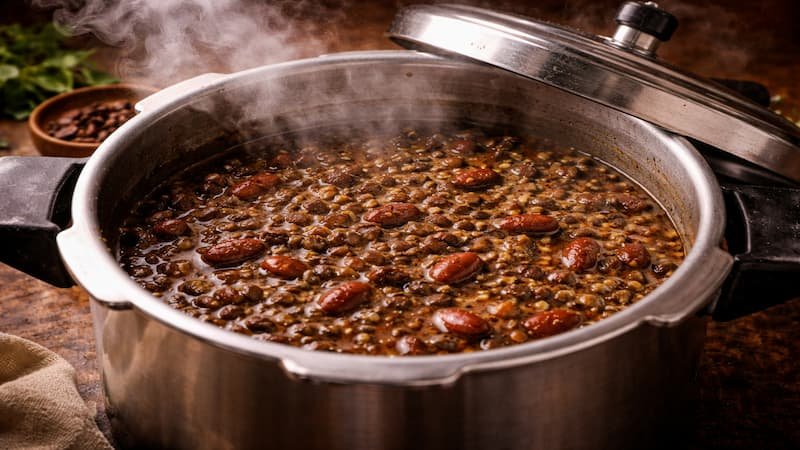
Drain and rinse the soaked lentils and kidney beans. Place them in a pressure cooker with water (about 3-4 times the volume of the lentils), a little salt, and a generous piece of ginger. Pressure cook for 30-40 minutes or 15-20 whistles on medium heat.
The lentils should be completely soft and some should have burst open. Do not skimp on this step — undercooked lentils will never develop the creamy texture that Dal Makhani requires, no matter how long you cook them afterward. After cooking, do not drain — the cooking liquid is starchy and flavorful and stays in the dal.
Building the Masala Base
While the lentils cook, prepare the masala base. Heat butter and oil together in a heavy-bottomed pan (the butter adds richness while the oil prevents burning). Add whole dried red chilies and a bay leaf. Add finely chopped onions and cook over medium heat for 25-30 minutes until they turn a deep golden-brown — this is the single most important step in building flavor.
Do not rush it. Add ginger-garlic paste and cook for 3-4 minutes. Add pureed tomatoes (use ripe, flavorful tomatoes) and cook until the oil separates from the tomatoes — this bhunoing process develops the deep, roasted flavor that characterizes authentic Dal Makhani.
The Long, Slow Simmer
Add the cooked lentils and their liquid to the masala base along with salt, red chili powder, coriander powder, and garam masala. Mix well. Bring to a boil, then reduce to the absolute lowest heat and let it simmer uncovered for at least 45-60 minutes, stirring occasionally and scraping the bottom to prevent sticking.
As the dal simmers, it will thicken, darken, and develop a remarkably complex, smoky, earthy flavor. If it becomes too thick, add a little water. This slow cooking is non-negotiable — it is what transforms a simple lentil dish into Dal Makhani.
Finishing with Cream and Butter
After the long slow simmer, add heavy cream and a generous knob of butter. Mix well and let it cook for another 10-15 minutes. The cream adds richness and balances the earthy flavors of the lentils. Taste and adjust seasoning.
Some cooks add a pinch of sugar to balance any acidity. Finish with dried fenugreek leaves (kasuri methi) crushed between your palms — this herb adds a distinctive slightly bitter, mapley note that is characteristic of Punjabi restaurant-style Dal Makhani. A final swirl of cream on top before serving makes it look as luxurious as it tastes.
The Charcoal Smoking Technique (Optional but Highly Recommended)
The dhungar smoking technique takes Dal Makhani from excellent to extraordinary. Heat a small piece of hardwood charcoal directly on your gas flame until it glows red. Using metal tongs, place it in a small steel bowl inside the pot of dal. Drizzle a teaspoon of ghee over the glowing coal — it will immediately start smoking.
Quickly cover the pot tightly and let it sit for 2-3 minutes. The smoke infuses the dal with a wonderful, complex smoky aroma that is reminiscent of tandoor cooking. Remove the charcoal bowl before serving.
Serving Dal Makhani
Dal Makhani is traditionally served with butter naan, tandoori roti, or steamed rice. Accompany with sliced onions, green chutney, and a wedge of lemon. This rich, indulgent dish is best enjoyed in moderate portions — a little goes a long way.
Leftover Dal Makhani actually improves overnight as the flavors continue to develop. It can be refrigerated for up to 5 days and reheats beautifully with a splash of water.
Conclusion
Dal Makhani is proof that the humblest ingredients — dried lentils, tomatoes, and butter — can be transformed into something truly extraordinary with time, patience, and technique. The long slow cooking is not a chore but a meditation that yields magnificent results.
Once you have made authentic Dal Makhani at home, you will have a dish in your repertoire that you will make again and again for every special occasion.