
Introduction
The term superfood has been somewhat overused in recent years, often applied to exotic and expensive imports. However, the truth is that some of the world’s most nutritionally powerful foods are not exotic at all — they are readily available, affordable, and deeply embedded in Indian culinary tradition.
Long before the concept of superfoods was articulated by modern nutritional science, Ayurveda had already identified the remarkable healing and nutritional properties of these indigenous foods. Here are ten superfoods that are easily available throughout India and deserve a prominent place in your daily diet.
1. Turmeric — Anti-Inflammatory Gold
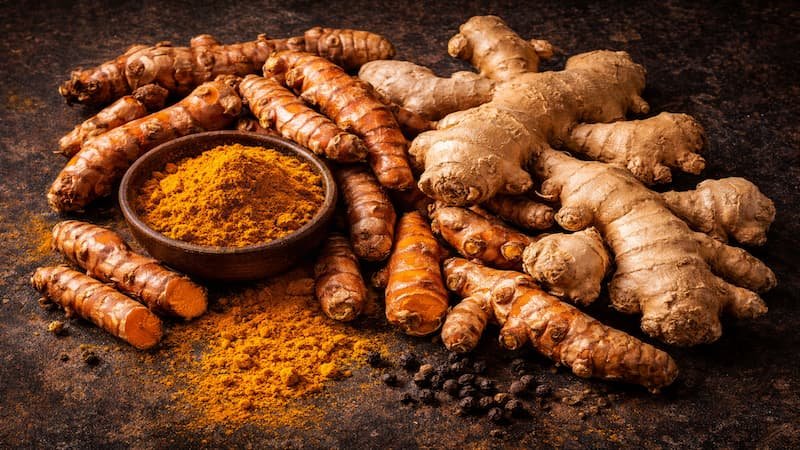
Turmeric has been used in Indian cooking and Ayurvedic medicine for over 4,000 years. Its active compound, curcumin, is one of the most powerful natural anti-inflammatory agents known to science. Chronic inflammation is now understood to underlie most major diseases including cancer, heart disease, Alzheimer’s, and diabetes.
Regular consumption of turmeric — whether in cooking, in golden milk (haldi doodh), or as a supplement — provides meaningful anti-inflammatory protection. For maximum absorption, always consume turmeric with black pepper and a fat source, as both significantly enhance curcumin bioavailability.
2. Amla (Indian Gooseberry) — Vitamin C Champion
Amla, or the Indian gooseberry, is one of the most nutrient-dense fruits in the world. A single amla contains approximately 600-700mg of Vitamin C — around 10-20 times more than an orange. Vitamin C in amla is uniquely stable and does not degrade with heating like the Vitamin C in most other fruits.
Amla is the central ingredient in chyawanprash, India’s most famous Ayurvedic formulation. It supports immune function, improves iron absorption, promotes hair growth, enhances skin health, and has powerful antioxidant properties. Fresh amla is available in markets from October to March, and amla powder, juice, and candy are available year-round.
3. Moringa (Drumstick) — Nutrition Powerhouse
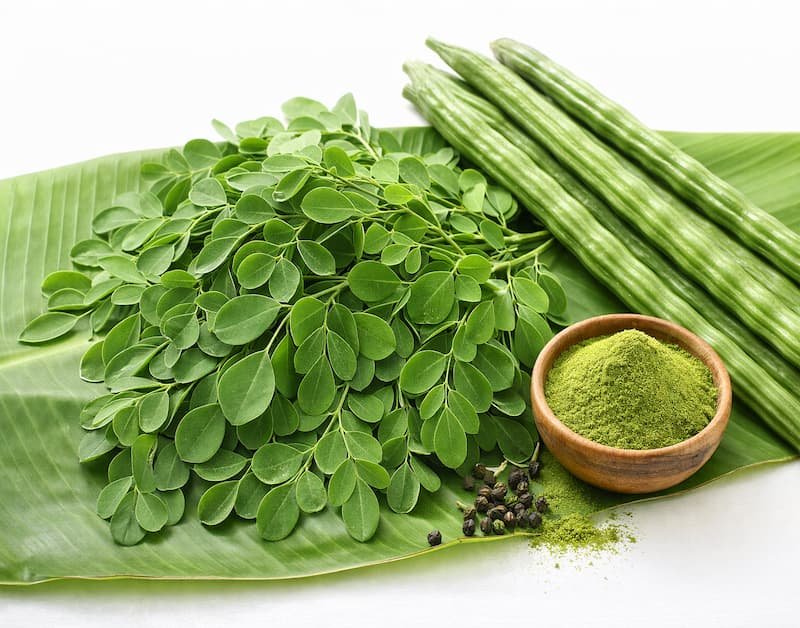
The moringa tree, known as the drumstick tree in India, is called the miracle tree for good reason. Moringa leaves contain gram for gram more Vitamin C than oranges, more calcium than milk, more iron than spinach, more potassium than bananas, and more protein than yogurt. The drumstick pods (saijan ki phalli) are used widely in South Indian sambar and are available across India.
The leaves can be cooked as a vegetable, made into a chutney, or dried and powdered as a supplement. Moringa is particularly valuable for addressing nutritional deficiencies and is now being promoted globally as a solution to malnutrition.
4. Ghee — The Misunderstood Fat
After decades of being unfairly maligned, ghee is finally being recognized by modern nutritional science for its remarkable health properties. Ghee is rich in butyrate, a short-chain fatty acid that has been shown to support gut health, reduce inflammation, and potentially protect against colon cancer. It contains fat-soluble vitamins A, D, E, and K.
It has a very high smoke point, making it one of the safest fats for high-heat cooking. Unlike most processed vegetable oils, traditional ghee made from grass-fed cow’s milk contains conjugated linoleic acid (CLA), which may help with weight management. Moderate consumption of quality ghee is not only safe but potentially beneficial.
5. Curd (Yogurt) — Probiotic Treasure
Homemade Indian curd is a natural probiotic that has been consumed daily across India for thousands of years. Unlike commercial yogurts that often contain added sugars and artificial flavors, homemade curd made by fermenting fresh milk with a small amount of existing curd contains live cultures of beneficial bacteria. These probiotics support gut health, improve digestion, boost immunity, and may improve mental health through the gut-brain axis.
Curd is also an excellent source of calcium, protein, and B vitamins. The practice of eating curd rice at the end of a meal in South India is one of the most effective digestive practices in traditional food culture.
6. Lentils (Dal) — Plant Protein Foundation
India is the world’s largest producer and consumer of lentils, and this is fortunate because lentils are among the most nutritious foods available. Rich in plant protein, complex carbohydrates, dietary fiber, iron, folate, and potassium, lentils provide comprehensive nutrition at a very low cost.
The variety of lentils used in Indian cooking — masoor (red), moong (green and split), toor (pigeon pea), chana (Bengal gram), urad (black gram) — means that different nutritional profiles are available. Eating lentils regularly is associated with reduced risk of heart disease, improved blood sugar control, and healthy weight management.
7. Coconut — Tropical Superfood
Coconut in all its forms — fresh coconut meat, coconut water, coconut oil, and coconut milk — is a genuine superfood with multiple health benefits. Fresh coconut is rich in medium-chain triglycerides (MCTs), a type of fat that is metabolized differently from other fats and is used rapidly for energy rather than being stored. Coconut water is nature’s electrolyte drink, containing potassium, magnesium, and natural sugars in proportions that make it ideal for rehydration.
The fiber in fresh coconut supports gut health and satiety. Coconut oil has antimicrobial properties due to its high lauric acid content.
8. Black Pepper — The King of Spices
Black pepper is the most widely traded spice in the world, and its health benefits far exceed its role as a simple condiment. Piperine, the alkaloid responsible for black pepper’s pungency, has been shown to significantly enhance the bioavailability of other nutrients — most dramatically, curcumin from turmeric (by up to 2000%).
Black pepper stimulates digestive enzymes, improves gut motility, has antioxidant properties, and may have anti-cancer potential. Used as a medicine in Ayurveda for thousands of years, it is a food that punches well above its weight in terms of health impact relative to the tiny amounts used.
9. Sesame Seeds (Til) — Mineral-Rich
Sesame seeds are a nutritional powerhouse that is extensively used in Indian cooking, especially in sweets like til laddoo and chikki during winter festivals. They are among the richest plant sources of calcium, providing more calcium per gram than most dairy products. They also contain lignans — plant compounds that have hormonal balancing effects and may reduce the risk of hormone-sensitive cancers.
Sesame oil has excellent heat stability and a distinctive nutty flavor that is used in South Indian cooking and as a finishing oil. The traditional practice of eating til gur (sesame and jaggery) in winter is both culturally meaningful and nutritionally excellent.
Conclusion
You do not need to order expensive imported superfoods to optimize your nutrition. The Indian food tradition has always been built around ingredients that are not only delicious but profoundly nourishing.
By consciously including more of these accessible, affordable Indian superfoods in your daily diet, you can significantly improve your health outcomes without any exotic shopping or significant additional expense. The wisdom of the Indian food tradition, when understood through the lens of modern nutritional science, proves to be both timeless and prescient.